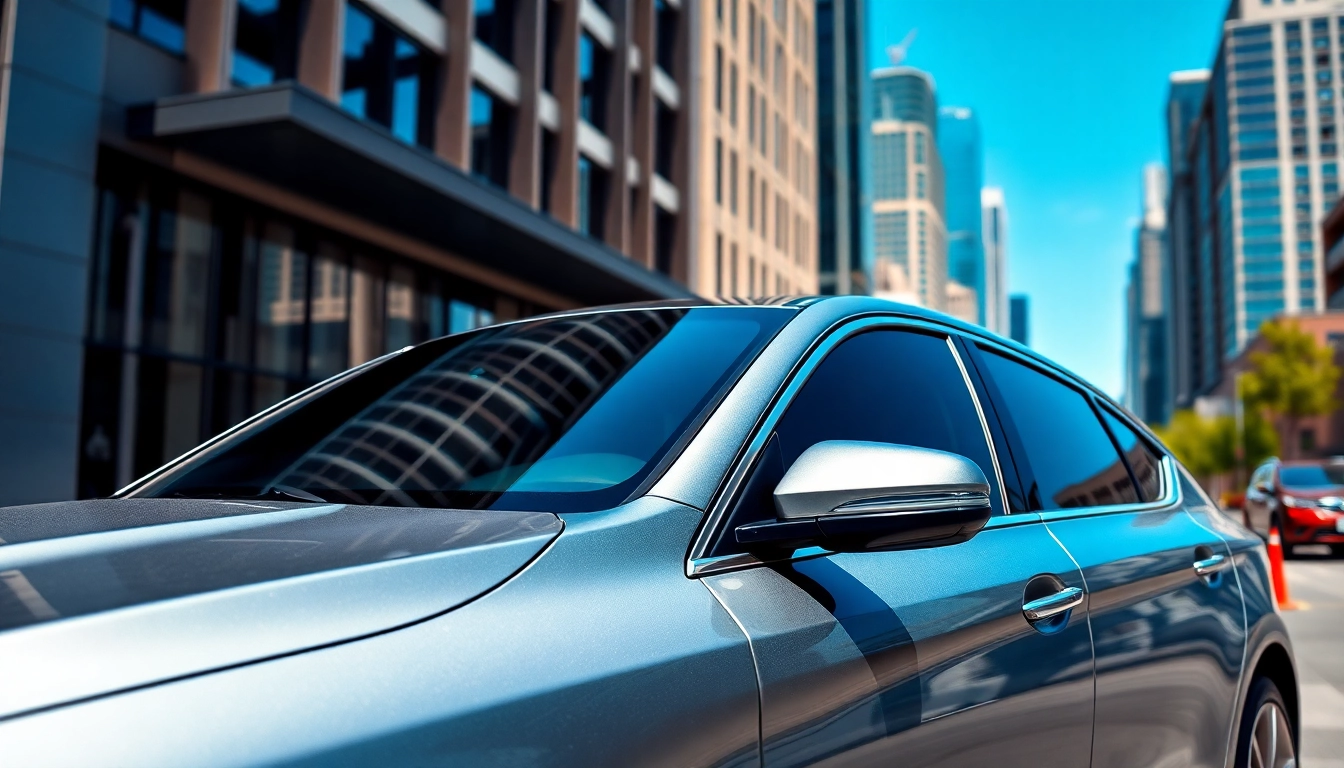
Understanding Window Tint Benefits
Window tinting has grown increasingly popular among vehicle owners seeking comfort, protection, and style. In cities where sunlight is abundant, it becomes essential to seek ways to block out harmful rays. Whether you're searching for window tint near me or planning on getting it done, understanding the advantages can guide your decision. Below, we explore the multiple benefits of window tinting, emphasizing how it enhances your vehicle and well-being.
Protecting Your Vehicle Interior
The interior of your vehicle is subject to daily wear and tear caused by sunlight. UV rays from the sun can significantly damage the fabrics and materials within your car, leading to fading and deterioration over time. Tinted windows are equipped with UV protection, which helps maintain the vibrancy of your upholstery, dashboard, and any electronic components inside. Studies indicate that quality window films can block up to 99% of UV rays, helping preserve your vehicle's interior and potentially increasing its resale value.
Enhancing Privacy and Security
Privacy is another significant advantage of window tinting. Tinted windows prevent outsiders from clearly seeing into your vehicle, providing you and your belongings with a layer of security. This added privacy can deter thieves from targeting your car, as they cannot easily gauge what valuables might be inside. In addition to enhancing privacy, darker window tints can also minimize the chances of being mugged, as they restrict visibility from outsiders.
Improving Energy Efficiency
Another key benefit of window tints is their contribution to energy efficiency. Tinted windows can reduce the heat that builds up in your vehicle, making air conditioning systems work less hard to maintain a comfortable temperature. This can lead to reduced fuel consumption, as your vehicle doesn't have to use as much energy to combat excessive heat. Over time, this not only saves you money on fuel but also contributes to a smaller carbon footprint, making it an eco-friendly choice.
Types of Window Tint Available
Just like there are various types of vehicles, there are also numerous types of window tints available on the market, each designed for different needs and preferences. Understanding these options can help you make an informed choice when considering window tint near me.
Differentiating Film Types
Window tints can generally be classified into several categories, including dyed, metalized, hybrid, and ceramic films. Each type has unique properties and benefits:
- Dyed Films: These are made of a layering of dyes that absorb sunlight. While they provide a good level of privacy and heat reduction, they can fade over time compared to other types.
- Metalized Films: These incorporate metallic particles, which reflect heat. They provide better durability and UV protection, making them a popular choice among vehicle owners.
- Hybrid Films: These films combine dyed and metalized technologies, offering a balance between heat rejection, UV protection, and aesthetic appeal.
- Ceramic Films: Although often more expensive, ceramic films offer superior heat rejection and UV protection with minimal interference to electronic devices.
Choosing the Right Shade
Choosing the right shade for your window tint involves balancing aesthetics and compliance with local laws. The tint’s darkness is denoted by a percentage—lower percentages indicate darker tints. When selecting a shade, consider your requirements for privacy, heat rejection, and the visual look of your vehicle. Keep in mind that local regulations may dictate the maximum allowable darkness for different window types, so it's essential to refer to local laws before making a final decision.
Evaluating Quality Features
When investing in window tint, quality varies widely among products. Look for tints that offer 99% UV protection, high heat rejection capabilities, and long-lasting durability. Additionally, consider warranties that manufacturers provide as a component of their quality assurance. A reputable tint will not fade, bubble, or peel within a reasonable time frame and should be installed by experienced professionals to ensure optimal performance.
Factors to Consider When Selecting a Window Tint
Selecting the right window tint requires careful consideration of various factors, including local regulations, budget constraints, and whether to attempt a DIY installation. Here’s a comprehensive breakdown to aid your decision-making process.
State Regulations and Compliance
Laws regarding window tint vary substantially across different states. Before settling on a tint, research the regulations pertaining to the percentage of light that must be allowed to pass through different windows of your vehicle. Most local jurisdictions enforce strict limits on tint darkness, and any violation can result in fines and the need to remove the tint. Familiarize yourself with local regulations to ensure compliance.
Cost Considerations and Budgeting
Cost is an integral aspect to consider when choosing window tint. The price can vary depending on the type of film, the size of the vehicle, and the installer’s labor costs. Dyed films generally offer a more budget-friendly option, while high-end ceramic films can be significantly pricier. Determine a budget ahead of time, taking into account not just the tint itself but also potential professional installation fees.
Professional Installation vs. DIY
One critical decision to make is whether you want to perform a DIY installation or hire a professional. While DIY kits are available, they may not always yield the best finish, and improper installation can lead to issues like bubbling and peeling. On the other hand, professional services ensure a quality application and often come with a warranty. Weigh the pros and cons carefully before choosing the approach that aligns best with your abilities and expectations.
Maintenance Tips for Tinted Windows
After investing in window tint, proper maintenance is key to prolonging its lifespan and performance. Here are some essential tips to keep your tinted windows in top condition:
Safe Cleaning Techniques
When cleaning tinted windows, use non-abrasive cleaning solutions and soft cloths to avoid scratching the film. Avoid ammonia-based cleaners, as they can damage the tint. Instead, consider using mild soap and water or specialized window tint cleaners designed for this purpose.
Staying Within Legal Limits
Once your windows are tinted, remember to stay compliant with local regulations. Regularly inspect the tint for any discoloration or damage and make sure it meets legal standards. If any issues arise, consult with a professional to rectify them, ensuring you remain within the law.
Monitoring for Damage
Over time, tinted windows may experience wear and tear. Keep an eye out for signs of bubbling, peeling, or fading. Promptly addressing any damage can prevent more extensive issues and costs down the road. If you notice extensive damage, consult a professional to assess the situation and recommend corrective action.
Frequently Asked Questions About Window Tint Near Me
What are the benefits of window tinting?
Window tinting protects your interior from UV rays, enhances privacy, and reduces heat, resulting in a more comfortable driving experience.
How long does window tint last?
Quality window tints can last anywhere from 5 to 10 years, depending on maintenance practices and environmental conditions.
Is window tinting legal?
Yes, but legality varies by state; check your local laws for specific limits on how dark your tint can be.
Can I remove window tint myself?
While it's possible to remove window tint yourself, it's often best to hire a professional to avoid damaging the glass or leaving residue.
How do I choose the right tint for my vehicle?
Consider the film type, shade preferences, local regulations, and your specific needs for heat reduction or privacy when selecting a tint.